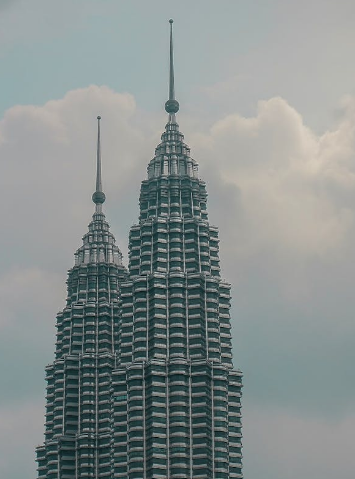
Kuala Lumpur's Twin Towers: Comprehensive Architectural & Travel Information Resource
Explore the remarkable architectural achievement of the twin towers in Kuala Lumpur, Malaysia. Access detailed information covering design concepts, structural engineering innovations, construction timeline, building materials, skybridge design, and the towers' significant impact on Malaysia's urban landscape. Discover insights about the world's tallest twin towers created by architect Cesar Pelli.
This independent information website does not sell tickets, process bookings, or provide reservation services.
Comprehensive Coverage of All Tower Elements
Design Philosophy & Architectural Principles
Explore the geometric foundations, Islamic artistic influences, and design philosophy underlying the twin towers. Understand the eight-pointed star floor configuration, exterior rhythm patterns, vertical articulation, and how architect Cesar Pelli developed a design that embodies Malaysian cultural heritage while reaching international architectural standards.
Explore architecture →Advanced Structural Engineering Solutions
Examine the structural engineering breakthroughs that enable the twin towers. Learn about load transfer systems, wind management strategies, foundation design, earthquake resistance approaches, and the complex structural network supporting these 88-level towers extending 451.9 meters skyward.
Explore engineering →Urban Integration & Cityscape Impact
Investigate how the twin towers reshaped Kuala Lumpur's cityscape and metropolitan character. Discover their function in the KLCC (Kuala Lumpur City Centre) project, influence on nearby architecture, and how these celebrated towers emerged as an emblem of contemporary Malaysia and a central element in the city's visual character.
Explore skyline →Key Facts About the Petronas Twin Towers
Architectural Specifications
- Height: 451.9 meters (1,483 feet) to the tip of the spires
- Floors: 88 floors above ground, 5 basement levels
- Architect: Cesar Pelli of Cesar Pelli & Associates
- Construction Period: 1992-1998
- Official Opening: August 31, 1999
- Floor Plan: Eight-pointed star (Rub el Hizb) geometry
- Total Floor Area: Approximately 395,000 square meters
Engineering Achievements
- Structural System: Reinforced concrete core with steel and concrete composite structure
- Foundation: Deep foundation system with 104 concrete piles per tower
- Skybridge: 58.4 meters long, connecting floors 41-42 at 170 meters height
- Elevators: 29 double-decker elevators per tower
- Wind Resistance: Designed to withstand winds up to 90 mph
- Materials: Stainless steel facade, high-strength concrete, structural steel
- Status: Tallest twin towers in the world (as of 2024)

Detailed Information Resource: All Aspects of the Twin Towers
The twin towers in Kuala Lumpur, reaching 451.9 meters (1,483 feet), held the world's tallest building title from 1998 to 2004 and continue to be the tallest twin towers worldwide. Situated in central Kuala Lumpur, these celebrated buildings exemplify a pinnacle of contemporary architecture and engineering. This extensive information resource offers comprehensive details covering all dimensions of these impressive structures.
Created by Argentine-American architect Cesar Pelli, the twin towers display Islamic geometric designs merged with modern skyscraper architecture. The towers incorporate a unique eight-pointed star floor layout, honoring Malaysia's Islamic traditions while showcasing advanced structural engineering and building methods.
What You'll Discover on This Website
- Design Concepts: Thorough examination of design philosophy, geometric foundations, and architectural reasoning behind the twin tower arrangement
- Engineering Systems: Complete review of structural frameworks, force distribution, stability solutions, and technical breakthroughs
- Building Process & Materials: Extensive details about construction methods, exterior materials, steel and concrete frameworks, and construction technologies
- Skybridge Design: Comprehensive study of the famous skybridge linking the towers at floors 41-42, its engineering approach and operational purpose
- Metropolitan Integration: Investigation of how the towers fit into Kuala Lumpur's cityscape and affect urban planning trends
- Project History: Full account of the development, from initial planning through final completion, and its importance in Malaysian architectural history
- Technical Details: Comprehensive technical information covering dimensions, floor numbers, elevator configurations, and building performance characteristics
Whether you're an architecture admirer, engineering learner, traveler organizing a visit, or simply interested in one of the world's most famous structures, this resource delivers reliable, comprehensive information about the twin towers in Kuala Lumpur.